
Section 3 of 5
The Genre Leaking Outward
Live-service games running MMO systems without the label — and what that says about what the word now means.
Section 3 of 5
Live-service games running MMO systems without the label — and what that says about what the word now means.
The shelf — attributed and dated
5 pieces in this section
Fortnite original launch (PvE survival)
In: Fortnite's Persistent World Is Not an Accident. Epic's Own Roadmaps Said So.
200 million registered accounts, per Epic announcement
In: Fortnite's Persistent World Is Not an Accident. Epic's Own Roadmaps Said So.
Creative mode introduced; persistent private islands
In: Fortnite's Persistent World Is Not an Accident. Epic's Own Roadmaps Said So.
Start here
Identifies the specific MMO structural elements — shared worlds, gear economies, seasonal content cycles, raid design — operating inside Destiny 2 and Warframe, using each game's own published design documentation and developer talks as sources. An argument about taxonomy.
Read the piece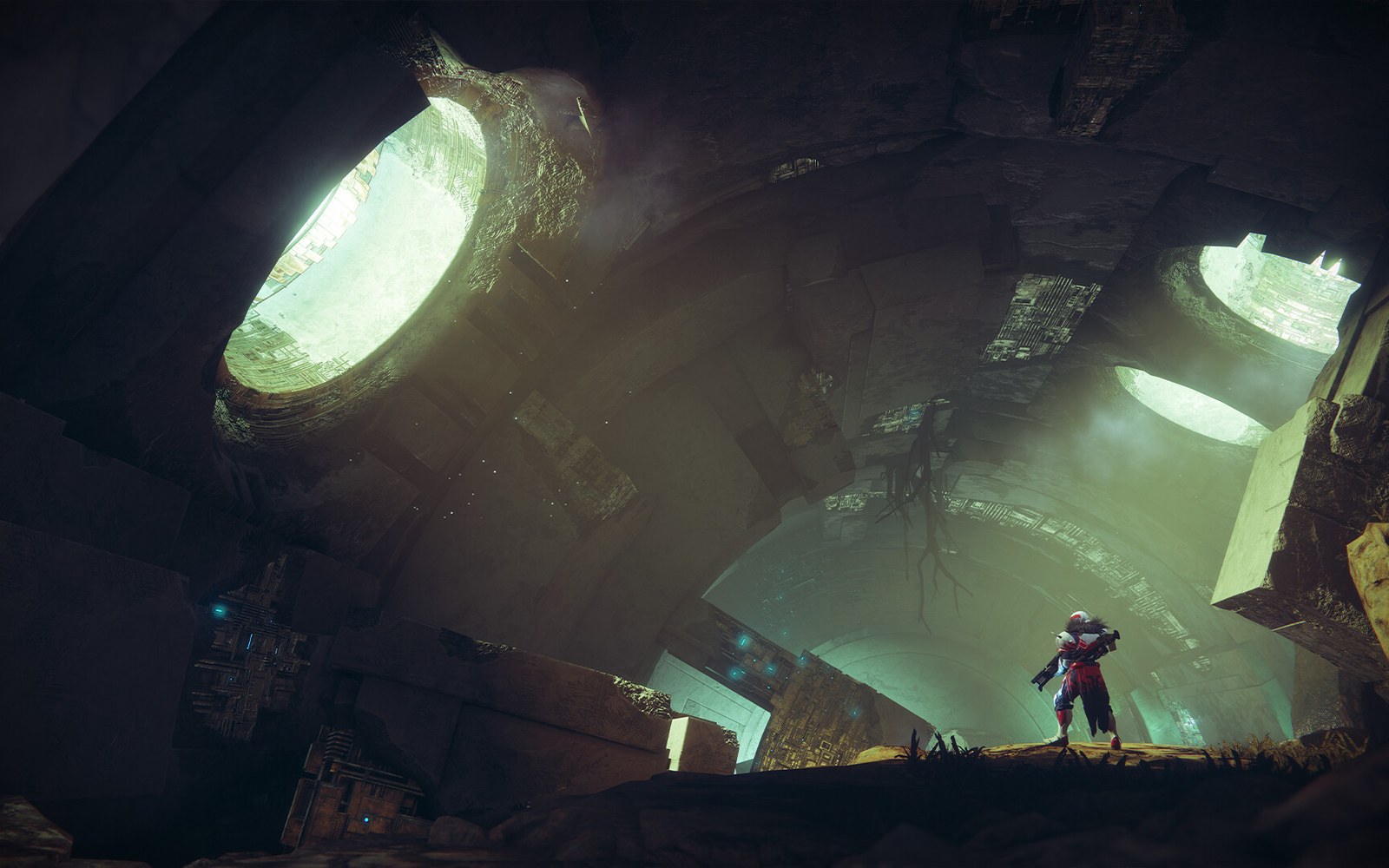
Persistent progression, a seasonal calendar and a shared hub — everything except the label.
Photo: Destiny 2 / Steam
Uses Sensor Tower and miHoYo's own statements to place Genshin Impact and Honkai: Star Rail's mobile revenue inside the MMO market's economic picture, while examining why neither game claims the genre label despite running persistent live-service systems.

Traces Epic Games' documented moves toward a persistent social layer in Fortnite — named features, developer blog posts, and investor presentations — and places them in the context of MMO genre conventions.
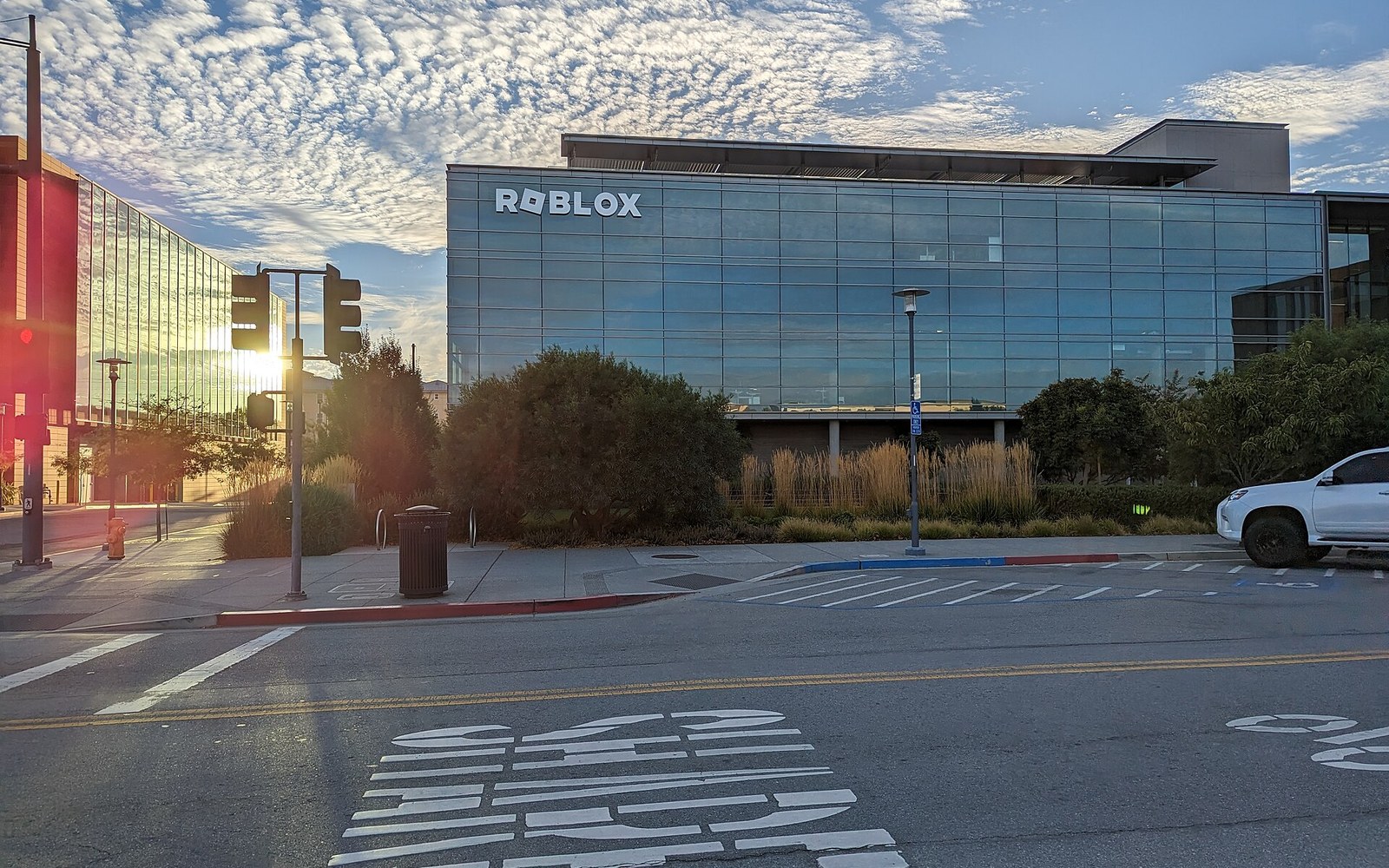
Uses Roblox Corporation's public SEC filings and DAU disclosures to set the platform's scale against the MMO genre's player counts, examining why a platform that is structurally an MMO host is rarely discussed as part of the genre.
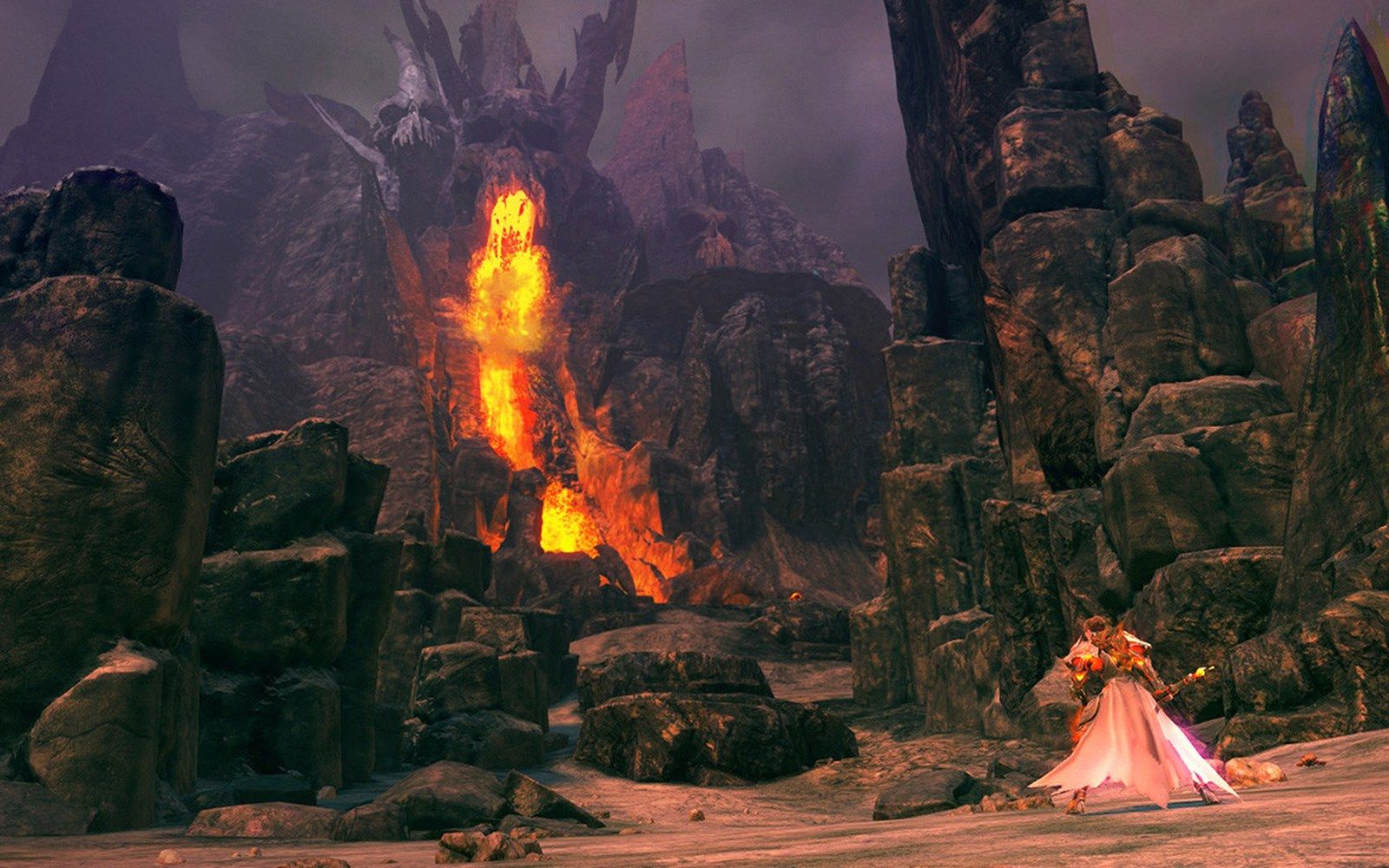
Examines how sharding, instancing and megaserver architecture — decisions documented in developer postmortems and GDC talks — have eroded the 'massively' in MMO until the technical definition no longer matches the genre label.