Genshin Impact Made More Than Most MMOs in 2023. Sensor Tower Has the Receipts.
Uses Sensor Tower and miHoYo's own statements to place Genshin Impact and Honkai: Star Rail's mobile revenue inside the MMO market's economic picture, while examining why neither game claims the genre label despite running persistent live-service systems. A comparison anchored in named revenue figures.
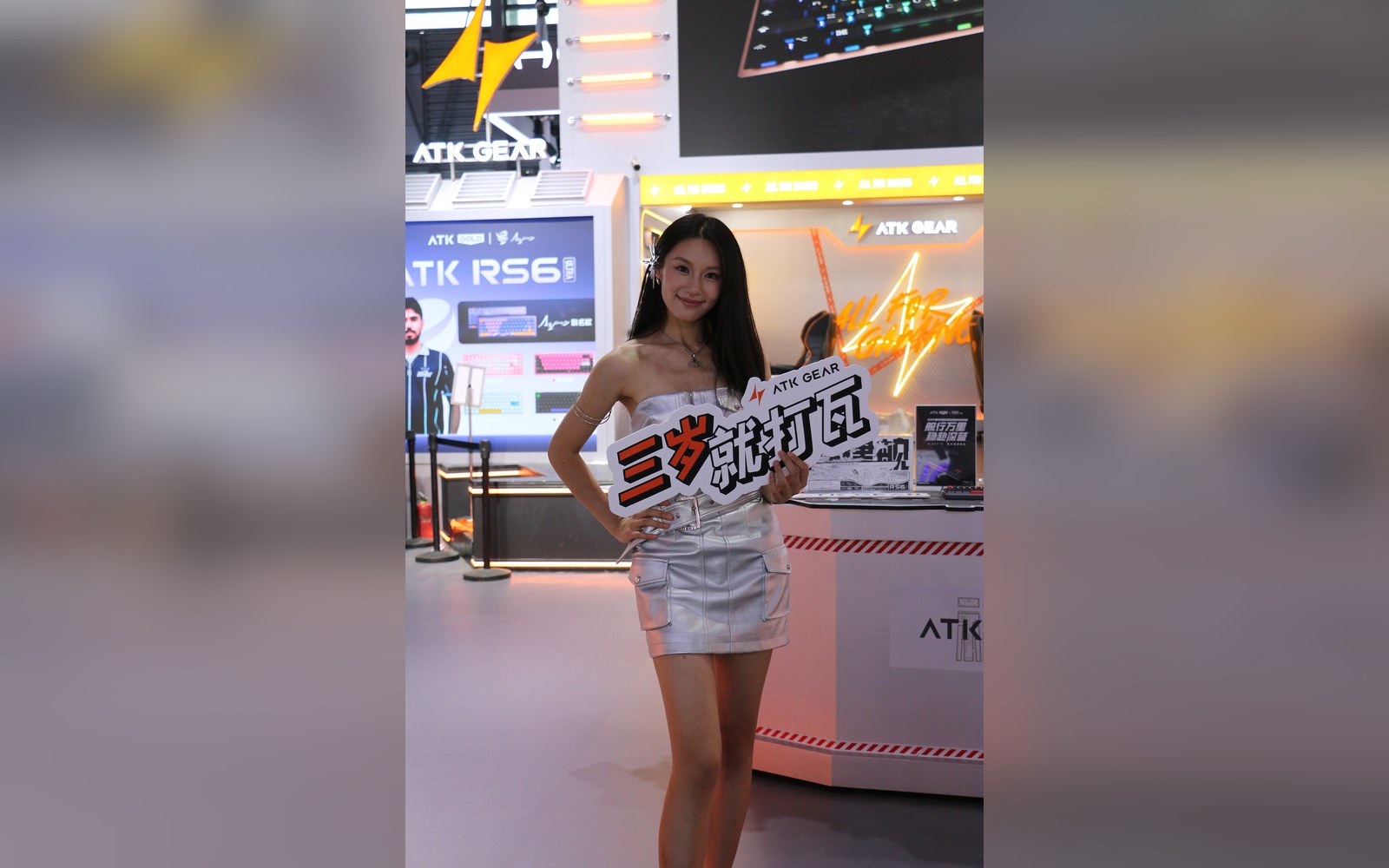
Gacha economies took the genre’s systems to the platform where its money already was.
Photo: ChinaJoy 2025 - General 11 · Wikimedia Commons
The genre label says nothing. The revenue figures say everything.

Sharding, megaservers and regional clusters are a cost decision before they are a design one.
Photo: panumas nikhomkhai / Pexels
The Numbers That Don't Fit the Category
In 2023, Genshin Impact generated an estimated $1.8 billion in mobile revenue, according to Sensor Tower's published tracking ↗. miHoYo's second major title, Honkai: Star Rail, launched in April 2023 and reached approximately $800 million in mobile earnings by year-end — a combined figure from the same studio that clears most of the games the industry actually labels as MMOs. World of Warcraft's subscriber revenue, at Blizzard's last disclosed count of 5.5 million subscribers before the company stopped publishing the figure after Q1 2015, would generate roughly $990 million annually at the standard $14.99 monthly rate — and that arithmetic requires assuming a subscriber base the company has not confirmed in nearly a decade.
The comparison is deliberately uncomfortable. Genshin Impact and Honkai: Star Rail are not MMOs. miHoYo has never described them that way, and the architecture supports the distinction: neither game places large numbers of players in a shared persistent world. Co-operative play is limited, social systems are thin by the standards of the genre, and the games' economic engines run on individual gacha pulls rather than auction houses or player-driven economies. But the revenue figures are real, they are larger than most of what sits under the MMO banner, and they come from live-service systems — seasonal content drops, limited-time banners, battle passes — that the genre invented or popularised.
What the Architecture Actually Runs
Both games operate on structures that an analyst surveying the MMO market would recognise immediately. Genshin Impact updates on a roughly six-week patch cycle, deploys time-limited events to drive login frequency, and sells a battle pass alongside its gacha system. Honkai: Star Rail runs an identical cadence. These are not retail games with a shelf life; they are live-service titles designed for indefinite operation and continuous monetisation — the same model that pushed most MMOs off the subscription standard after 2013.

The storefront most of the genre’s revenue now passes through, on the platform its largest earners were built for.
Photo: RDNE Stock project / Pexels
The distinction that miHoYo and most commentators preserve is the shared-world condition. An MMO — in the genre's own self-definition, tracing back to Roy Trubshaw and Richard Bartle's work at Essex University ↗ on MUD1, begun in 1978 — requires players to inhabit the same persistent space, where their actions accumulate consequence visible to others. Genshin Impact's world is instanced per player. The open world exists, but it is not shared at scale; another player's progress does not alter the terrain you walk through. That architectural choice is also a regulatory and economic choice: a purely single-player progression loop with optional co-op sidesteps the infrastructure costs of true concurrency and the social dynamics that make MMO economies difficult to control.
Why the Revenue Picture Still Matters Here
The reason Genshin Impact belongs in this market's economic frame is not definitional — it is competitive. The games that do carry the MMO label are competing for the same player hours and the same discretionary spending budgets as miHoYo's titles. Final Fantasy XIV, which Square Enix confirmed had surpassed 30 million registered accounts as of October 2023, charges a subscription and sells cosmetics through its Mog Station. Its players are also players who might spend on Genshin Impact's banners instead. NCSoft, Nexon, and Netmarble — whose quarterly filings are public and tracked — operate in an environment where a single studio in Shanghai can generate more mobile revenue in twelve months than most established MMO publishers manage across their entire portfolios.
Sensor Tower's methodology tracks estimated net revenue on the Apple App Store and Google Play, excluding PC and console platforms; Genshin Impact's full cross-platform figure, which miHoYo has not officially published in granular form, would be higher still. The mobile number alone clears the bar. Whether the genre label applies is a question for taxonomy. Where the money is going is a question for anyone trying to read the MMO market as it actually exists in 2024, rather than as it was defined in 2004.