Still Running — and How You Can Tell
Thirty Million Registered Accounts, One Subscription Fee, One Rebuild That Made It Possible
Tracks Final Fantasy XIV's registered-account milestones using Square Enix's own dated announcements, set against the subscription model's broader retreat across the genre. Pairs the account figures with the 2013 A Realm Reborn relaunch as the inflection point.
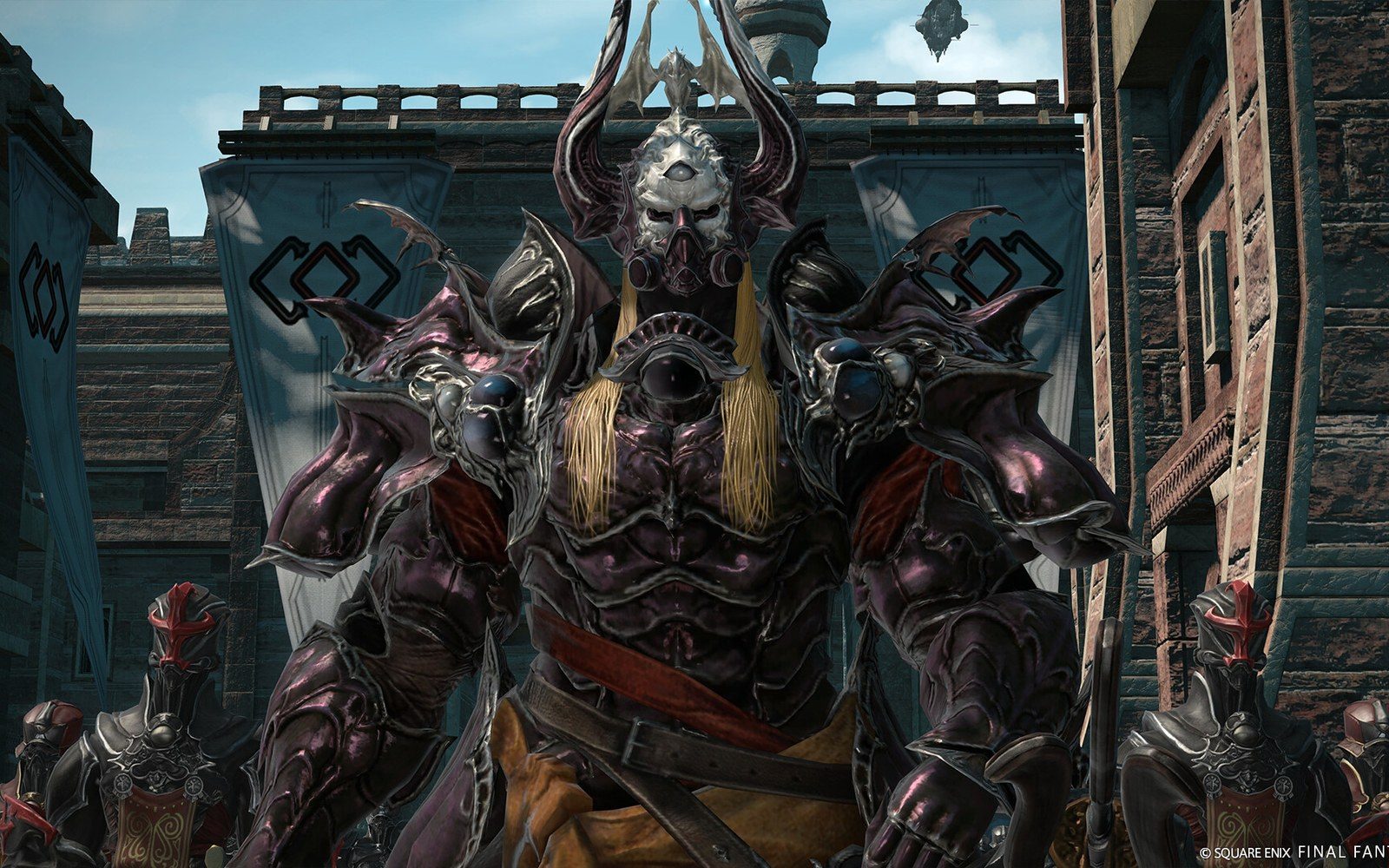
A registered-account milestone never goes down, which is part of why publishers prefer it.
Photo: FINAL FANTASY XIV Online / Steam
The genre abandoned subscriptions. Square Enix held the line — and a shutdown and relaunch turned out to be the better bet.

Sharding, megaservers and regional clusters are a cost decision before they are a design one.
Photo: panumas nikhomkhai / Pexels
A Relaunch as the Inflection Point
Final Fantasy XIV launched in September 2010 to reviews that were, by any measure, damaging. Square Enix shut the original version down in November 2012, issued a formal apology — including a full-page newspaper advertisement — and handed control to producer and director Naoki Yoshida. What followed was A Realm Reborn, a rebuilt game released in August 2013 that retained the subscription model at a moment when almost every peer in the Western market was abandoning it.
Key account milestones
That decision looked eccentric in 2013. World of Warcraft had already peaked, with Blizzard's own filings placing the subscriber high at around 12 million in 2010; the intervening years brought a steady decline and, eventually, Blizzard's 2015 choice to stop publishing subscriber figures altogether. Star Wars: The Old Republic launched in late 2011 and moved to free-to-play within a year. The Elder Scrolls Online dropped its subscription requirement in 2015. Square Enix stayed put.
What the Account Milestones Show
The registered-account figures Square Enix has published since the relaunch form a legible curve. The company announced 1 million registered accounts shortly after A Realm Reborn's August 2013 launch. By October 2014 that figure had reached 2 million; by 2016, 6 million. The trajectory steepened materially after the Stormblood expansion in 2017 and again after Shadowbringers in 2019, which drew wide critical attention. By February 2021, Square Enix announced 22 million registered accounts. The 25 million milestone was declared in December 2021, during an extended free-login campaign prompted by server congestion following the Endwalker expansion. Square Enix placed registered accounts at 30 million in a May 2023 announcement ↗, a figure that has since been widely cited as evidence of subscription viability in a free-to-play era.

The storefront most of the genre’s revenue now passes through, on the platform its largest earners were built for.
Photo: RDNE Stock project / Pexels
The registered-account metric carries a standard caveat: it counts every account ever created, not active subscribers, and it never decreases. Square Enix does not publish concurrent-user figures or subscriber counts with the regularity that, say, Blizzard once did. What the company does publish, consistently, is registered accounts — a figure that flatters scale while obscuring churn. The distinction matters for analysts reading the numbers, even if it doesn't diminish the underlying trajectory.
What the figures do confirm is momentum through a period when the subscription model was supposed to be finished. Newzoo and Sensor Tower have both tracked the genre's broader shift toward cosmetic stores and battle passes as the dominant monetisation architecture. FFXIV sits outside that consensus. Its monthly fee — approximately $12.99 for entry-level access — has not changed in structure, and the game has not rebuilt its economy around the kind of cosmetic storefront that now defines free-to-play competition. Optional microtransactions exist through the Mog Station, but the core revenue engine remains time-based.
The Model Held Because the Game Held
The cleaner argument is not that the subscription model was right in the abstract, but that A Realm Reborn earned the right to keep it. Yoshida's rebuild converted a failed launch into what became, a decade later, one of the genre's best-documented success stories. The 30 million registered-account figure is meaningful precisely because it sits on top of a 2012 shutdown — a starting point of zero active goodwill.
The contrast with contemporaries is instructive. Games that went free-to-play in the 2011–2015 window often did so under financial pressure, not strategic preference. FFXIV's relaunch gave Square Enix the player retention and brand credibility to stay on a model the rest of the market had rejected. Whether the subscription holds through the next expansion cycle is a question the company's quarterly financial disclosures ↗ will eventually answer — registered accounts are the leading indicator, and they have been pointing in one direction since August 2013.