Newzoo and Sensor Tower Are Cited Everywhere. Who Pays for the Full Reports?
Examines how Newzoo and Sensor Tower publish free-tier estimates that circulate widely while selling enterprise access to methodology and full datasets, and what that means for the reliability of figures that appear in trade coverage. A piece about the market-data market itself.
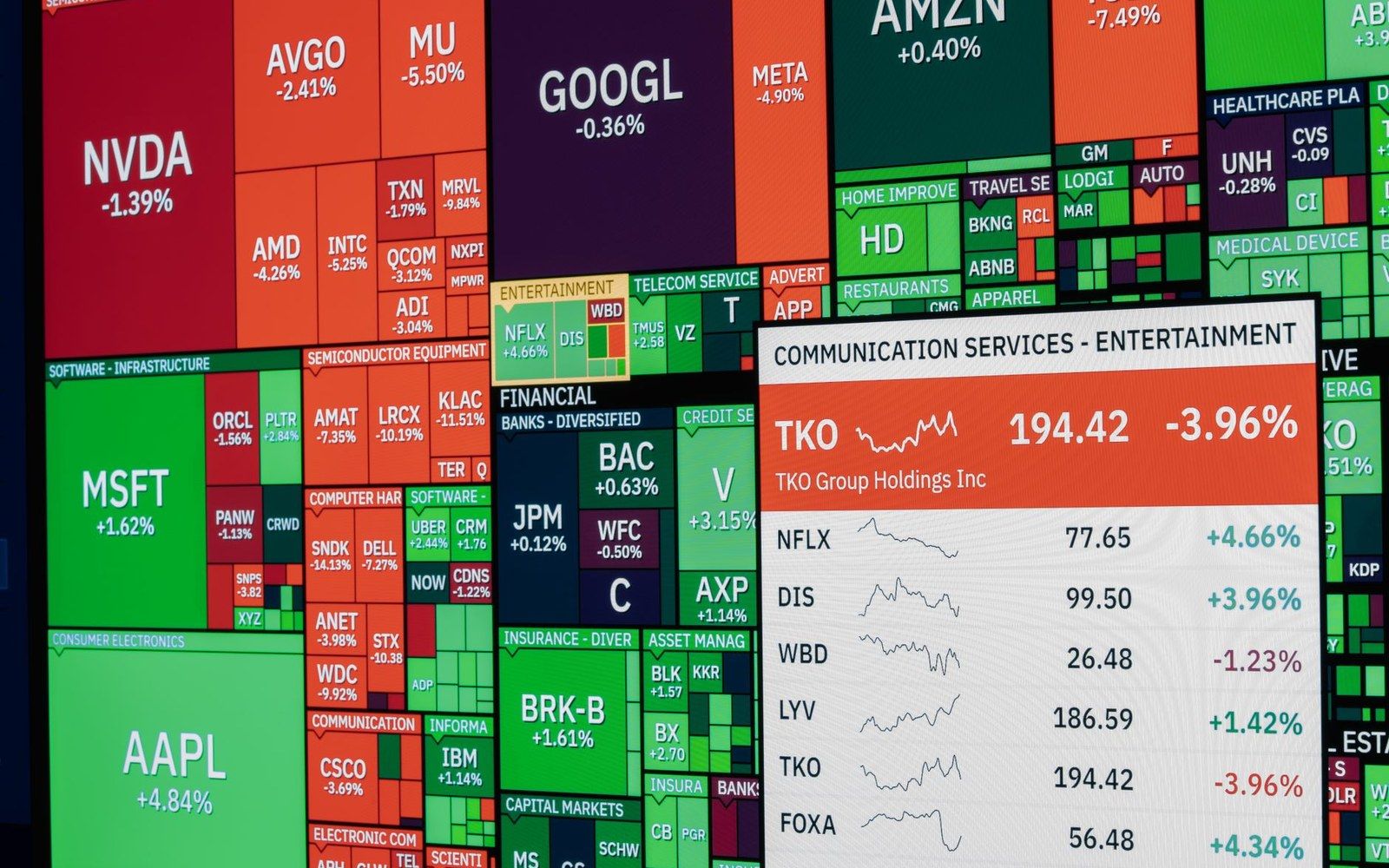
Market sizing is a product sold to the industry it measures, which is worth knowing before quoting it.
Photo: Rafael Minguet Delgado / Pexels
The estimates are free. The methodology is not. That gap matters every time a player-count figure circulates as fact.

Photo: Steam icon logo · Wikimedia Commons
The Business Model Behind the Benchmark
Newzoo, headquartered in Amsterdam, and Sensor Tower, based in San Francisco, operate on the same structural logic: publish high-visibility headline numbers at no cost, then sell the underlying methodology, segmentation and raw datasets to enterprise clients — publishers, investors, platform holders and regulators — at rates that run from several thousand dollars annually to well into six figures for full platform access. The free-tier figures that circulate across trade coverage and investor presentations are, in effect, marketing collateral for those paid products.
That architecture produces a specific distortion. When a journalist or analyst cites Newzoo's global games-market revenue estimate or Sensor Tower's mobile revenue figure for a specific title ↗, they are citing a derived estimate built on a proprietary panel, modelling assumptions and extrapolation methods that neither organisation is obliged to disclose publicly. The figure looks like a measurement. It is closer to a forecast — one that may or may not match the data a paying enterprise client receives.
Sensor Tower's mobile estimates in particular are panel-based, meaning they are derived from opt-in samples of device users, scaled to population estimates, and adjusted by undisclosed weighting factors. The company does not publish its panel size, its regional coverage or its adjustment methodology for free. Newzoo's global-market sizing uses a combination of company filings, survey data and proprietary modelling; the methodology white paper ↗ is available to paying subscribers. In both cases, independent verification of a specific headline figure is not possible from the public side of the paywall.

The convention floor is where a launch window is won or lost, weeks before a chart records the verdict.
Photo: Gamescom 2023 - Cosplay Ankha · Wikimedia Commons
This matters for MMO coverage because the genre's two dominant public metrics — player counts and revenue — are largely self-reported or model-derived. Where a publisher does not file revenue by title (most do not), Sensor Tower's estimate may be the only number in circulation. NCSoft and Nexon do file quarterly by segment, which provides a check; for most Western live-service titles, no such check exists. A Sensor Tower mobile revenue estimate for a given game can be the sole attribution in a news cycle, repeated across outlets until it acquires the solidity of a primary source.
The practical upshot: a figure sourced to either organisation should carry its publication date and a note of whether it originates from the public tier or an enterprise report — distinctions that most trade coverage omits. The free headline is real. The confidence interval around it is not public.