The Belgian Gaming Commission Ruled in 2018. Five Years On, the Industry Is Still Arguing About It.
Covers the Belgian Gaming Commission's April 2018 ruling that certain loot boxes constitute gambling under Belgian law, the studios that withdrew affected systems from Belgium, and the subsequent legal and lobbying response, using the Commission's own published findings and dated press statements.

One national regulator applying existing law to four named games, and years of argument since.
The Commission's April 2018 finding that certain loot boxes are gambling under Belgian law prompted studio withdrawals, a lobbying offensive, and a legal challenge that never quite settled the question.
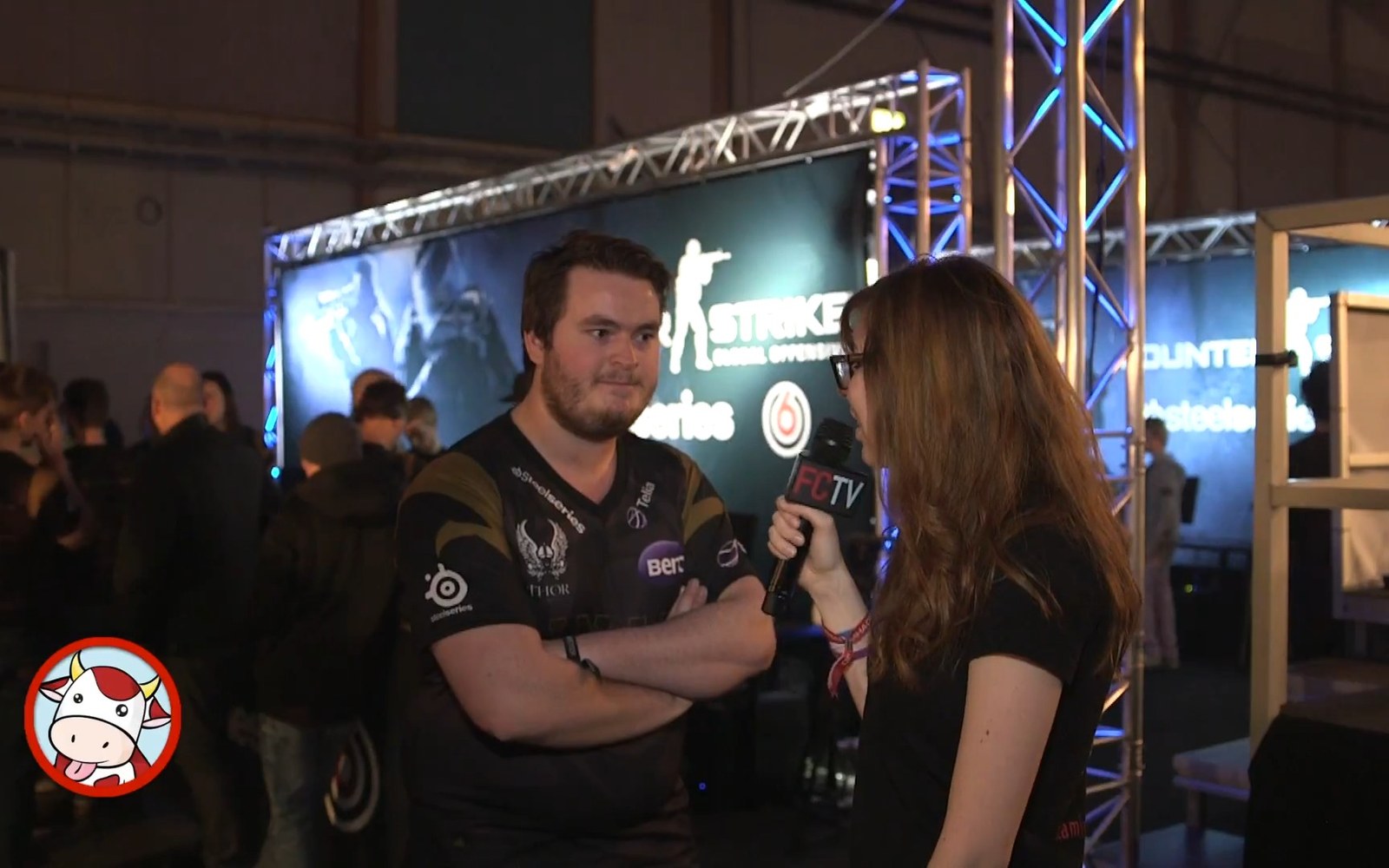
The event floor is the only place a population is ever visible all at once.
Photo: NiP Friberg - DreamHack Winter 2013 7-7 screenshot · Wikimedia Commons
A Ruling Built on Belgian Statute, Not New Law
In April 2018, the Belgian Gaming Commission published its assessment of four games — FIFA 18, Overwatch, Star Wars Battlefront II, and Counter-Strike: Global Offensive — and concluded that the loot-box mechanics in three of them met the legal definition of gambling under the Belgian Gaming Act of 1999. The Commission found that the combination of real-money purchase, random reward, and the possibility of exchanging or trading resulting items satisfied the statute's threshold. Star Wars Battlefront II escaped classification only because EA had already removed paid loot boxes from the game months earlier, following a player backlash in late 2017 that had attracted attention from regulators across multiple jurisdictions.
Timeline of key moments
- April 2018Belgian Gaming Commission publishes four-game assessment; three titles classified as gambling under the 1999 Gaming Act
- Late 2017EA removes paid loot boxes from Star Wars Battlefront II ahead of ruling, following player backlash
- Weeks after April 2018Blizzard disables Overwatch loot-box purchases for Belgian players; Valve removes CS:GO paid case-opening in Belgium; EA removes FIFA Ultimate Team paid packs from Belgian sales
- 2019EA describes FIFA packs as "surprise mechanics" before UK Parliamentary committee; Dutch court complicates Kansspelautoriteit enforcement
- 2018 (concurrent)UK DCMS call for evidence declines to classify loot boxes as gambling
- 2023No completed Belgian criminal prosecution of a major studio on record
The Commission's finding carried weight because it was not advisory. Belgian law sets criminal penalties — up to five years' imprisonment and fines — for operating unlicensed gambling. The Commission referred the matter to the public prosecutor's office, which meant studios faced a choice: seek a gambling licence (impractical for a game sold globally), remove the offending mechanic from Belgian sales, or litigate.
What the Studios Actually Did
The immediate response was withdrawal. Blizzard Entertainment disabled loot-box purchases in Overwatch for Belgian players within weeks of the ruling. Valve took CS:GO's paid case-opening system off the table in Belgium as well. EA, already under scrutiny for Battlefront II, removed the paid FIFA Ultimate Team loot mechanism from Belgian sales, citing the regulatory environment rather than admitting a legal breach. The withdrawals were unilateral and executed without formal settlement: studios effectively quarantined Belgian accounts rather than contest the finding in court at that stage.

Photo: Blizzard Entertainment Logo · Wikimedia Commons
That compliance looked pragmatic rather than principled became clear over the following years. Outside Belgium, EA continued defending FIFA's Ultimate Team packs as "surprise mechanics" — a phrase used by the company in 2019 testimony before the UK Parliament's Digital, Culture, Media and Sport Committee. The same mechanics removed from Belgian servers were described elsewhere as an intended feature of a toy rather than a game of chance.
The lobbying response was coordinated through the Entertainment Software Association and its European counterpart, ISFE. Both bodies published position papers arguing that loot boxes are not gambling because players receive an item of value regardless of its specific content, and because most items cannot be redeemed for cash through any publisher-sanctioned channel. The Kansspelautoriteit — the Dutch authority whose parallel 2018 finding also classified some loot boxes as gambling — faced similar industry pushback, and later Dutch court rulings complicated enforcement by overturning the regulator's action against a publisher before acting against publishers.
Five Years On: Enforcement Gap, Not Resolution
By 2023, no Belgian criminal prosecution of a major studio had been completed. The referral to the prosecutor's office produced no publicly announced charges, a pattern that reflects how difficult it is to apply national gambling statute to software sold through global digital storefronts. The Commission's ruling remained the most unambiguous regulatory finding on record — sharper than the UK Department for Culture, Media and Sport's subsequent 2020 call for evidence, which declined to classify loot boxes as gambling at that stage — but enforcement depended on prosecutorial discretion that was never exercised.
What the 2018 ruling did accomplish was durable: it set the terms of a debate that spread to the Netherlands, the UK, Australia, and the United States Senate. Every subsequent regulatory inquiry cited Belgium, whether as a model or as a warning about jurisdictional overreach. The Commission's four-game sample remains the primary documentary record of how a European regulator actually applied national gambling law to a specific mechanic, rather than commissioning further study.
The industry's argument, five years on, is that the question has not been settled in court. The Commission's counter-argument is embedded in the original document: the law was already there. The loot boxes arrived later.